Global Governments Act to Shield Consumers from Iran War Energy Shock
Margriet van Dijk ·
Listen to this article~4 min
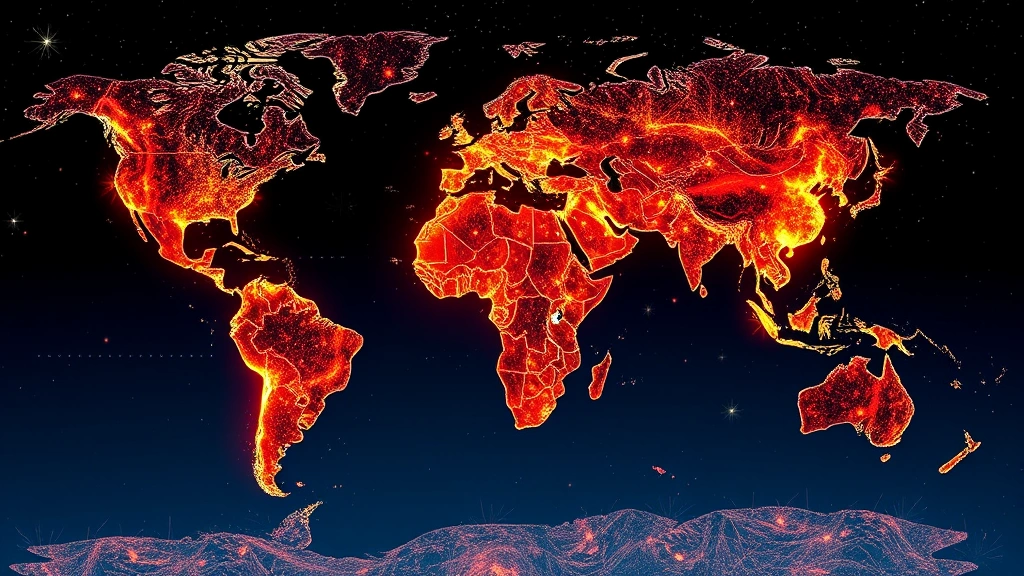
Governments worldwide are implementing subsidies, tax relief, and direct payments to protect consumers from soaring energy prices linked to the Iran conflict, aiming to stabilize household budgets and the broader economy.
You've probably felt it at the gas pump or seen it on your utility bill. Energy prices have a way of hitting home, don't they? When geopolitical tensions flare up, like the recent conflict involving Iran, the shockwaves travel fast through global energy markets. It's not just a news headline—it's a real impact on household budgets.
Governments around the world aren't just watching from the sidelines. They're rolling up their sleeves and implementing measures to soften the blow for everyday consumers. Think of it like a financial cushion, something to absorb the worst of the impact so families and businesses don't bear the full brunt.
### What Kind of Measures Are We Talking About?
So, what exactly are these governments doing? The strategies vary, but they all share a common goal: protecting purchasing power. Some countries are introducing direct subsidies on fuel or electricity. Others are offering targeted tax relief or one-time payments to vulnerable households. It's a global response to a global problem.
Imagine your monthly energy bill suddenly jumps by 20% or 30%. For many, that's the difference between making ends meet and falling behind. These government interventions are designed to prevent that scenario. They're trying to buy time and stability while markets adjust.
### The Ripple Effect on Everyday Life
This isn't just about filling up your car's 15-gallon tank. Higher energy costs trickle down into everything. The cost of transporting goods goes up, which means prices at the grocery store follow. Heating a 2,000-square-foot home in winter becomes more expensive. It's a chain reaction that touches every part of the economy.
Governments know this. That's why their response isn't limited to one sector. The measures aim to create a buffer, protecting the broader economy from a sharp slowdown. When consumers have to spend significantly more on energy, they have less to spend elsewhere, and that can stall economic growth.
### A Balancing Act for Policymakers
Implementing these supports is a delicate balancing act. Policymakers have to consider:
- The immediate need to protect consumers from price spikes.
- The long-term fiscal health of government budgets.
- The risk of distorting energy markets with prolonged subsidies.
- Encouraging energy efficiency and alternative sources.
It's a bit like putting a temporary patch on a leaky hose. It addresses the immediate problem, but you still need a long-term solution. Many experts argue that these crises highlight the urgent need to accelerate the transition to more stable and sustainable energy sources.
As one energy analyst recently noted, 'Consumer protection during price shocks is essential, but it must be paired with strategies that reduce our vulnerability to these shocks in the first place.'
The current situation serves as a stark reminder of how interconnected our world is. A conflict thousands of miles away can directly affect what you pay to drive to work or heat your home. The global response shows a recognition of that interconnectedness—and a shared responsibility to manage its consequences.
What happens next depends on how long the geopolitical tensions persist and how effectively these government measures work. For now, the focus is on shielding households and businesses from the worst of the storm, giving everyone a bit more breathing room in uncertain times.