inDrive Launches $48K Fuel Voucher Program for Drivers
Margriet van Dijk ·
Listen to this article~4 min
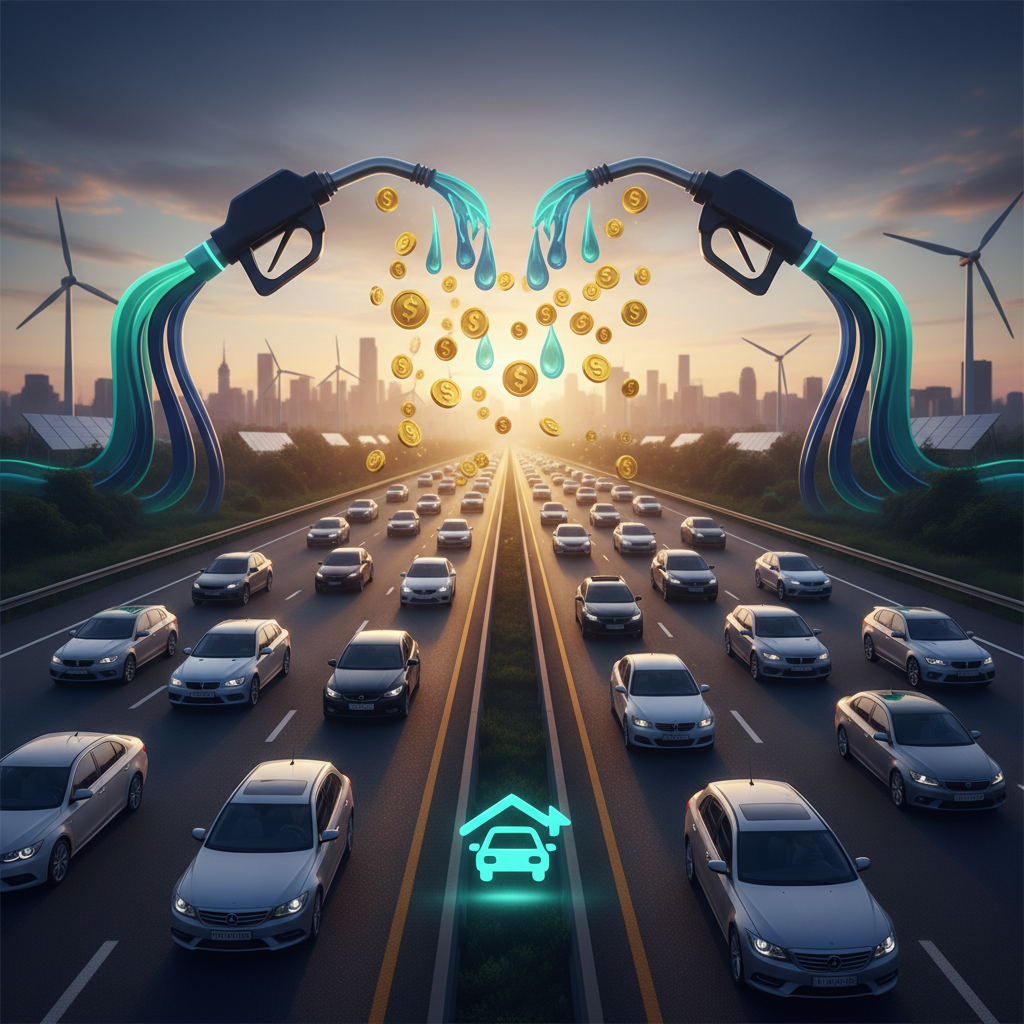
inDrive launches a $48,000 fuel voucher program for Philippine drivers, providing direct relief from rising fuel costs and signaling increased focus on driver support in competitive ride-hailing markets.
You know how it feels when gas prices just keep climbing? For ride-hailing drivers, that's not just an annoyance—it's a direct hit to their livelihood. Well, inDrive just made a move that's turning some heads and easing some burdens.
They've rolled out a massive fuel voucher program worth 2.7 million Philippine Pesos. That's about $48,000 USD for those of us thinking in dollars. It's not just a nice gesture—it's a substantial investment in the people who keep their platform running.
### What This Means for Drivers
Let's break this down. When fuel costs eat into earnings, drivers face tough choices. Do they work longer hours? Do they raise their rates? Sometimes they might even consider leaving the platform altogether. This voucher program acts as a buffer against those rising costs.
It's direct relief where it matters most. The vouchers can be used at participating fuel stations across the Philippines, giving drivers immediate savings on one of their biggest operational expenses. We're talking about real money staying in drivers' pockets.
### The Bigger Picture for Ride-Hailing
This isn't just about one company being generous. It signals a shift in how platforms are thinking about driver retention and satisfaction. The ride-hailing space has become increasingly competitive, and drivers have options. Keeping them happy and financially stable isn't just good ethics—it's good business.
Think about it from the driver's perspective. When a company shows they understand your pain points and actually does something about them, you're more likely to stick around. You're more likely to recommend the platform to other drivers too.
### How Programs Like This Work
Fuel voucher initiatives typically operate through partnerships with gas stations or fuel companies. Drivers might receive codes through the app that they can redeem at the pump, or they might get physical vouchers they can present when filling up.
The key is making the process seamless. If claiming the benefit becomes a hassle, it defeats the purpose. From what we're seeing, inDrive seems to have created a straightforward system that puts the savings directly in drivers' hands.
Here's what makes this approach effective:
- Direct financial impact on driver earnings
- Addresses a universal pain point across the industry
- Builds loyalty through tangible support
- Creates positive word-of-mouth among driver communities
### Why This Matters Beyond the Numbers
Sure, $48,000 sounds impressive. But the real story isn't in the dollar amount—it's in what that money represents. It's about recognizing that drivers aren't just service providers on an app. They're partners in the platform's success.
When companies invest in their drivers' wellbeing, everyone benefits. Drivers earn more consistently. Passengers get better service from happier drivers. The platform maintains a stable, reliable fleet. It's one of those rare situations where doing the right thing aligns perfectly with smart business strategy.
As one industry observer noted recently, "Supporting drivers isn't charity—it's investing in the foundation of your service."
### Looking Ahead
Will we see more companies following suit? Probably. When one player raises the bar on driver support, others often feel pressure to match or exceed those efforts. That's good news for drivers across all platforms.
The ride-hailing industry has matured beyond the initial growth-at-all-costs phase. Now it's about sustainable operations, quality service, and building lasting relationships with both drivers and passengers. Initiatives like this fuel voucher program point toward that more mature, more sustainable future.
For drivers currently navigating fluctuating fuel prices and increasing competition, this kind of support can make all the difference. It's not just about surviving the next tank of gas—it's about building a more stable, more predictable income in an unpredictable economy.